


LiveSeeding events across Europe
Throughout the LiveSeeding project, on-farm demonstrations, training and knowledge-sharing events created opportunities for face-to-face exchange on organic plant breeding and seed systems in real-life settings.
Under Task 6.4, 172 on-farm and demonstration events were coordinated across 14 countries during the first three project periods. The events took place on organic farms and fields, at testing stations, and within Living Lab activities and case studies. They involved actors from across the food chain.
Of these, 80 events involving more than 6,000 participants were analysed in detail (D6.5 – Compiled report from on-farm demonstration, trainings and knowledge sharing events). Around two-thirds included field visits and practical training, while others took the form of workshops, fairs and festivals. Topics ranged from organic plant breeding, organic varieties and organic heterogeneous material to landraces, seed production and exchange, seed health, regulations, cultivar testing and culinary evaluation.
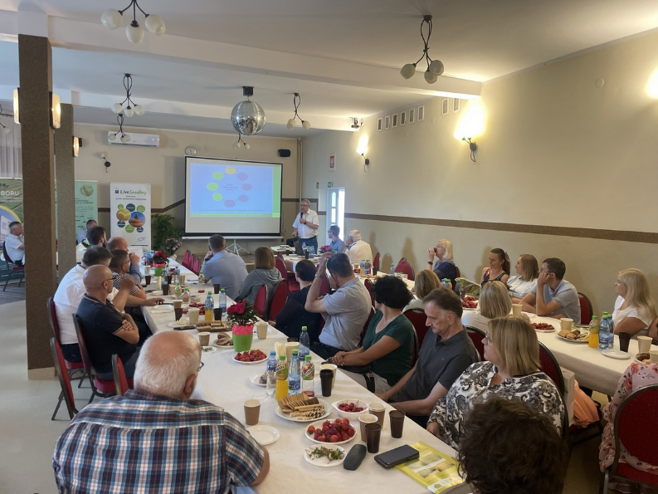
Photo Credits: COBORU
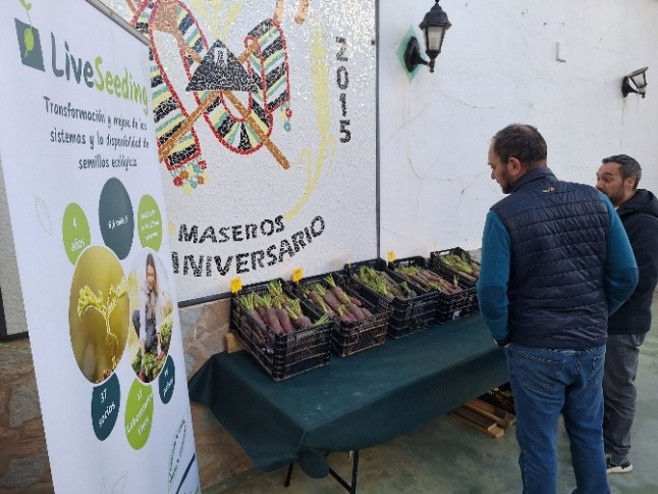
Photo Credits: UPV
Learning in the field and from each other
Participants could observe crops and trials directly, discuss farming and breeding challenges, and connect research with practical experience. Field visits, practical activities and tastings also helped explore aspects that are difficult to capture through experimental data alone.
Farmers, researchers, breeders, seed producers, processors, authorities, citizens, schoolchildren, teachers and adult learners brought different forms of knowledge and perspectives. This supported mutual learning, relationship building and continued collaboration, while strengthening the role of education and participation in societal change.
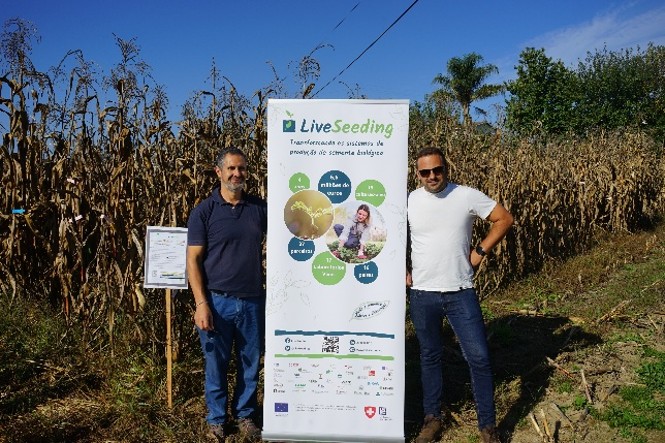
Photo Credits: IPC
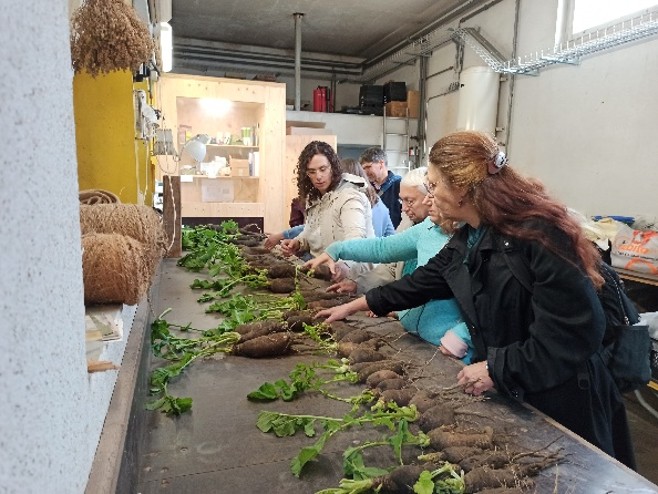
Photo Credits: PSR
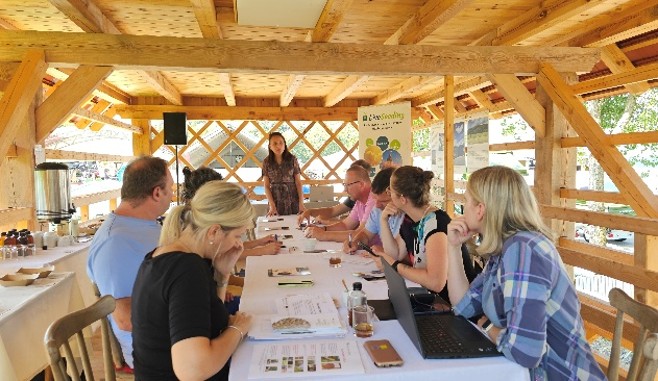
Photo Credits: KIS
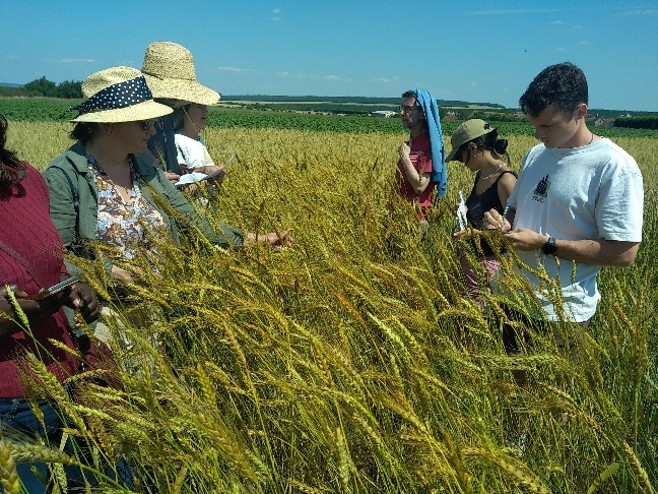
Photo Credits: INRAE-GQC, UBIOS
Cultivated diversity & Living Labs
The events helped participants explore the value and potential of landraces, traditional varieties, organic varieties and organic heterogeneous material, including their adaptation to different environments, farming systems and markets. They also supported the uptake and evaluation of organic cultivars and links between crop diversity and local food value chains. Tastings and culinary activities provided opportunities to explore these connections in practice. SeedLinked provided an additional tool for participatory cultivar evaluation and feedback.
LiveSeeding’s 17 Living Labs were closely connected with the activities, with nearly half of the analysed events organised by or within the Living Lab framework. These activities strengthened links between breeding, production, processing and markets.
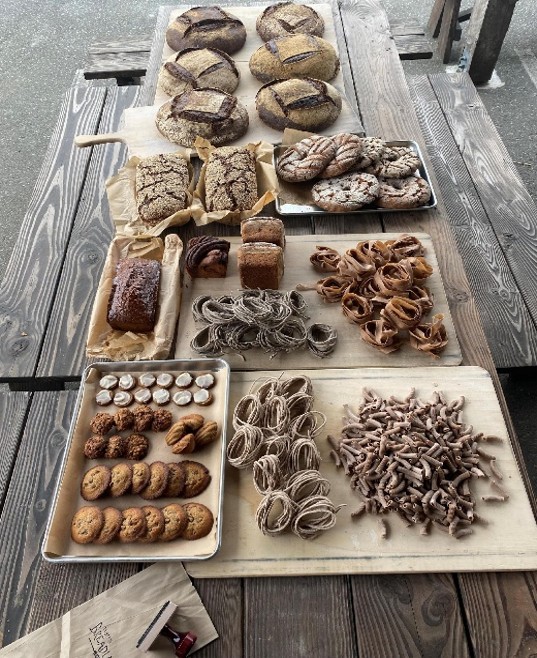
Photo Credits: ORC
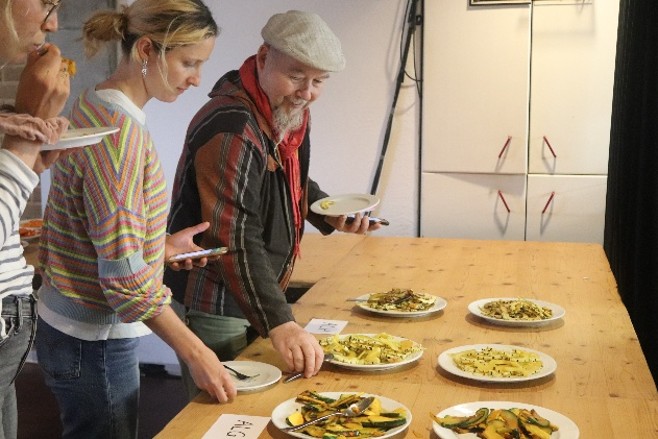
Photo Credits: PSR, FiBL
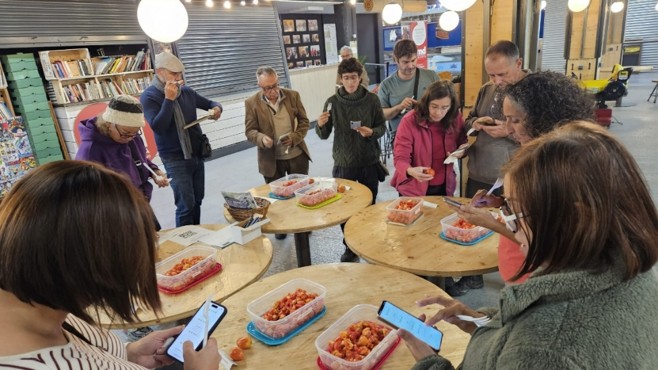
Photo Credits: Les Refardes, RMAe
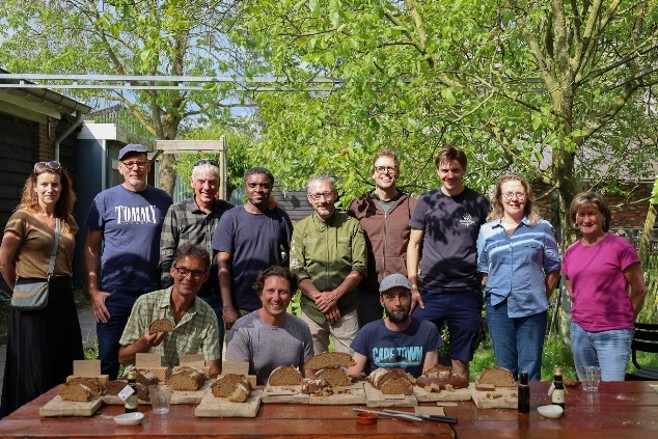
Photo Credits: LBI
Challenges and lasting change
The activities also revealed limitations and concerns, including difficulties related to timing, weather, farmer availability and resources. Frequently mentioned concerns included the abandonment of rural areas and the need for continued and long-term financial support. These experiences highlighted the importance of adapting activities to local conditions and participants’ needs while ensuring continuity beyond individual events.
At the same time, they strengthened networks across the organic seed and food system and contributed to greater crop diversity, increased capacity for organic seed production and cultivar evaluation, stronger Living Labs, wider citizen involvement and the development of local seed and food value chains.
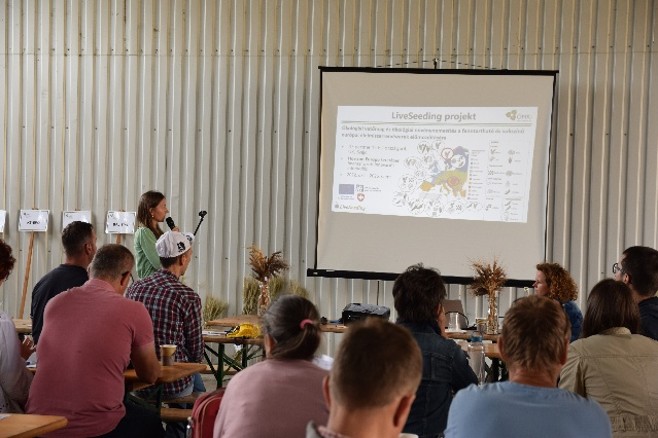
Photo Credits: ÖMKi
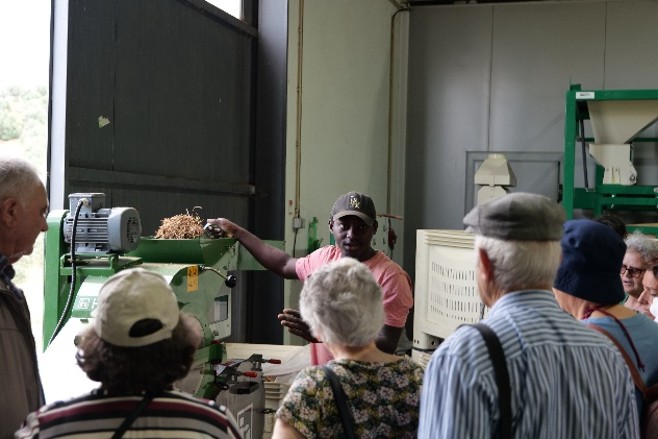
Photo Credits: LSSV
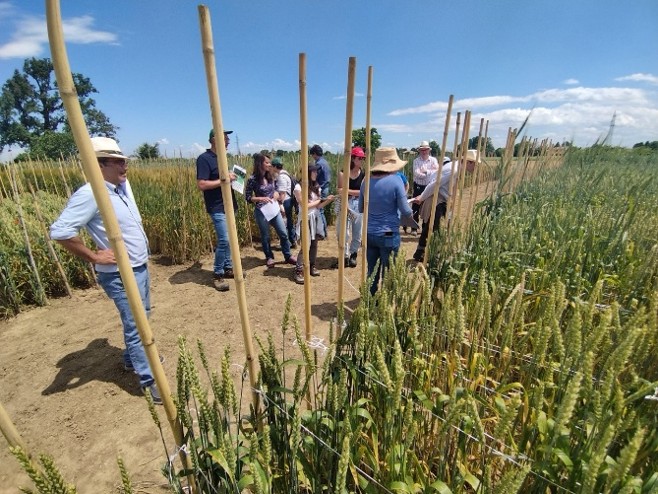
Photo Credits: RSR, FederBio, CREA, Azienda Bagnaresa