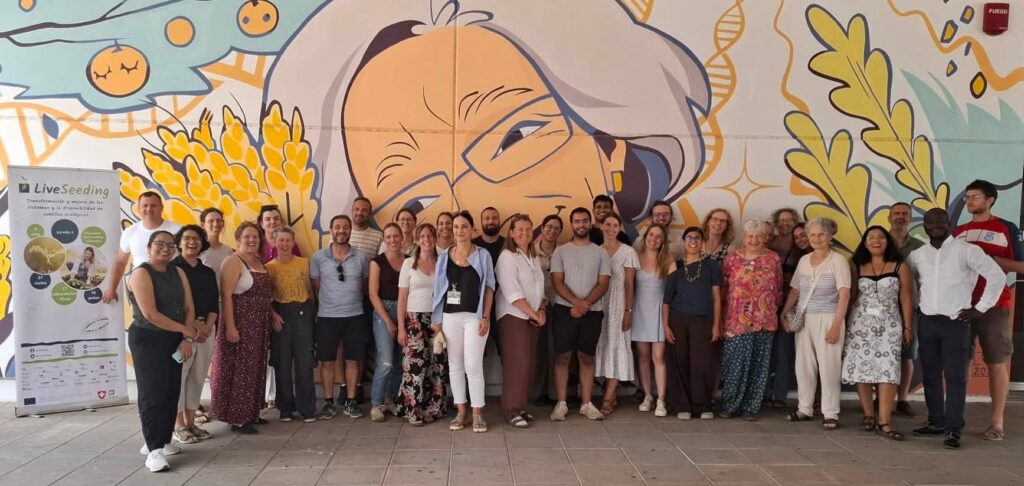
From 13 to 17 July 2026, the LiveSeeding project held its Summer School at the Universitat Politècnica de València (UPV), bringing together breeders, researchers, students, advisors and farmers for a week dedicated to organic plant breeding. The event was organised by Prof. Adrián Rodríguez Burruezo (UPV), Dr. Véronique Chable (INRAE), Dr. Francesca Gori (Rete Semi Rurali), Dr. Mariateresa Lazzaro (FiBL) and Matteo Petitti (ECO-PB).
Designed to foster a new generation of professionals equipped to handle the complexities of organic seed systems, the programme combined keynote lectures, hands-on practical activities, an on-farm visit and collaborative group work. Participants explored the full lifecycle of organic cultivar development, from characterising crop diversity and managing plant genetic resources to applying classical, participatory and molecular breeding methods, and even designing business initiatives for the organic seed sector.
Day 1: Setting the foundations
The week opened with an inspiring keynote by Véronique Chable (INRAE) on organic farming principles and agroecology-based scientific concepts, and what these mean in practice for organic breeding, resilience, adaptation and participatory approaches.
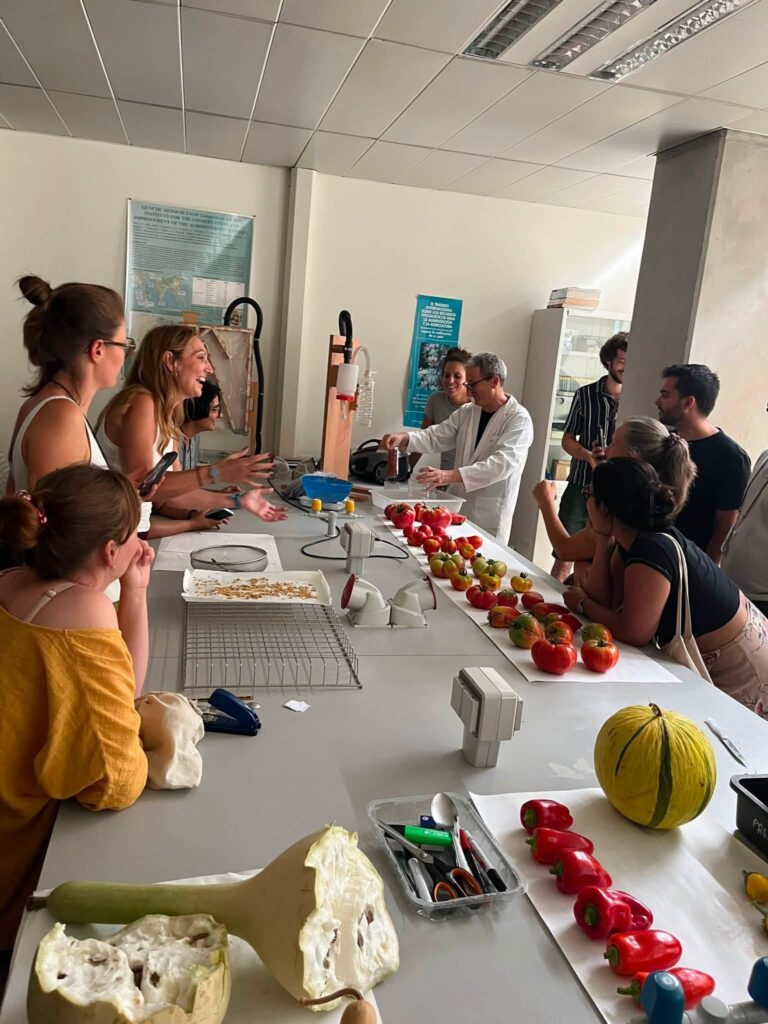
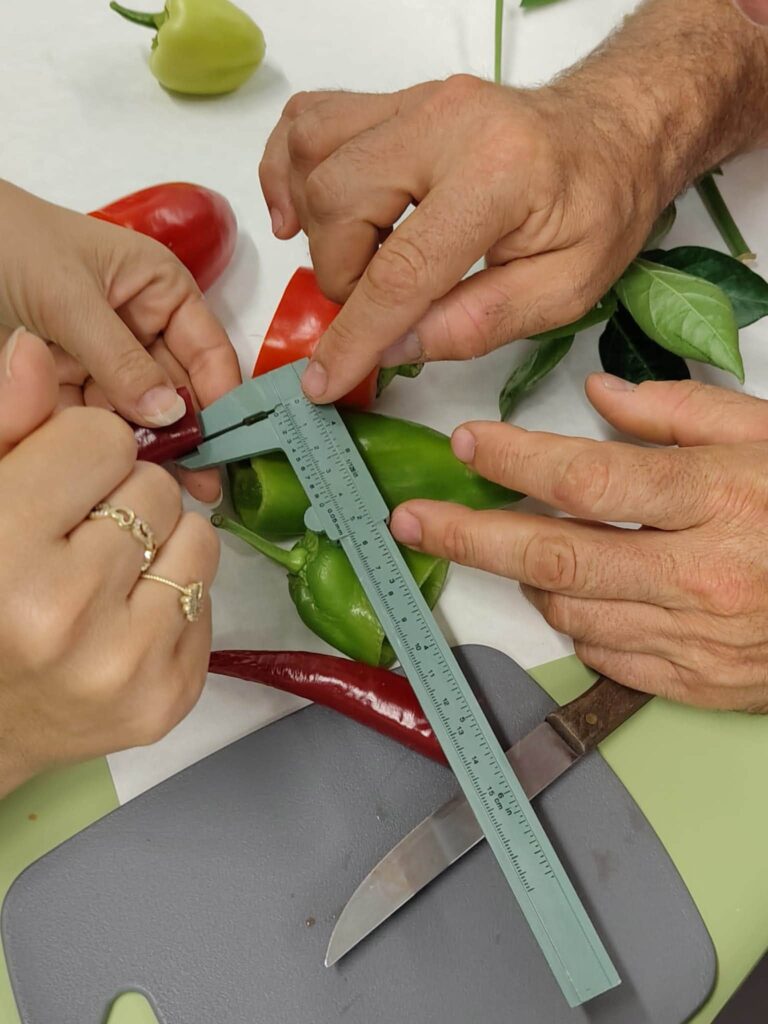
Neus Ortega and Ana Fita (UPV) then led a hands-on practical activity on characterising vegetable diversity through different plant descriptor types. A key takeaway from the session was that the descriptors chosen shape what can actually be observed in a population’s diversity.
The day also included dynamic team-building activities to help participants connect with one another, setting the tone for a week built on collaboration as much as on science.
Day 2: Genetic resources, policy and molecular approaches
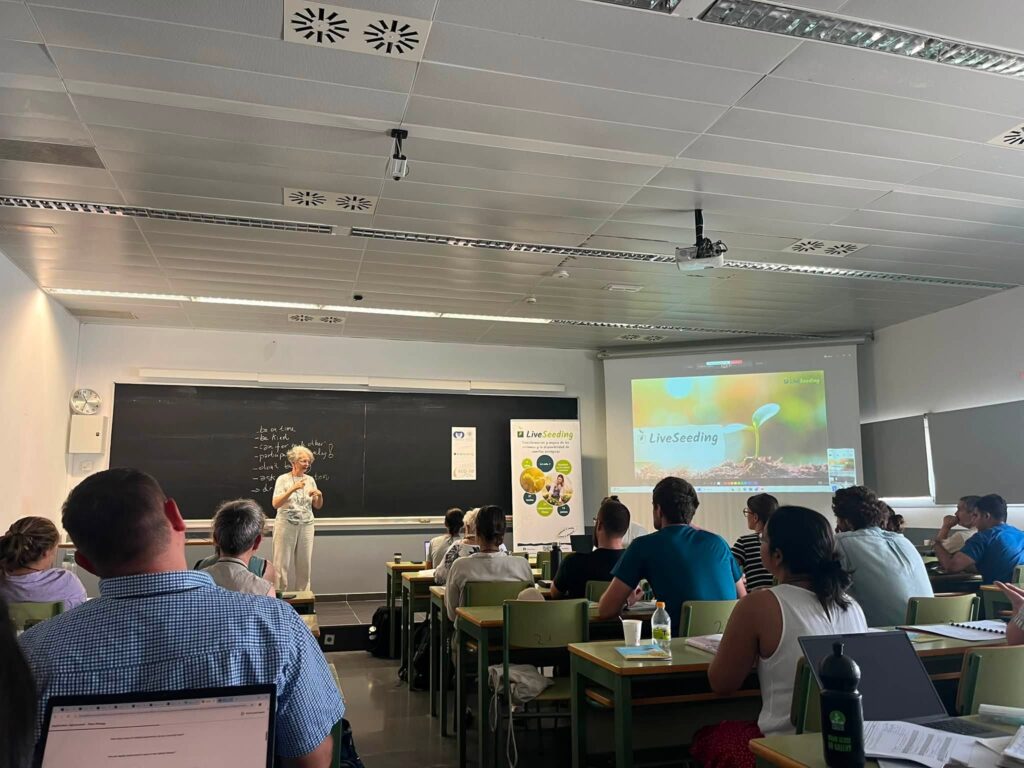
Day 2 opened with a keynote by Benedikt Haug (WUR) on breeding for diversified cropping systems, followed by a presentation from Adrián Rodríguez Burruezo (UPV) on the dynamic management of plant genetic resources, from participatory vegetable breeding to the development of experimental populations based on the UPV genebank.
Micaela Colley (Washington State University) joined online for a keynote on participatory breeding from an organic and agroecological perspective, and Riccardo Bocci (Rete Semi Rurali) presented on promoting an enabling policy environment for organic plant breeding in Europe.
The afternoon included a visit to the UPV Genebank, with practical insights on plant genetic resource accession management from Eva Solbes and José Vicente Valcárcel (UPV), followed by three parallel sessions. The molecular breeding session drew on the UPV pepper MAGIC population (Neus Ortega) and the FiBL/GZPK lupin organic breeding programme as concrete examples of how molecular approaches can be integrated into organic breeding. The session on research stances explored methodological perspectives for sustainability transitions. In the third parallel session, Monika Messmer (FiBL) and Riccardo Bocci (Rete Semi Rurali) discussed with participants the most recent policy developments related to seeds in Europe.
Day 3: Classical breeding, entrepreneurship and group work kick-off
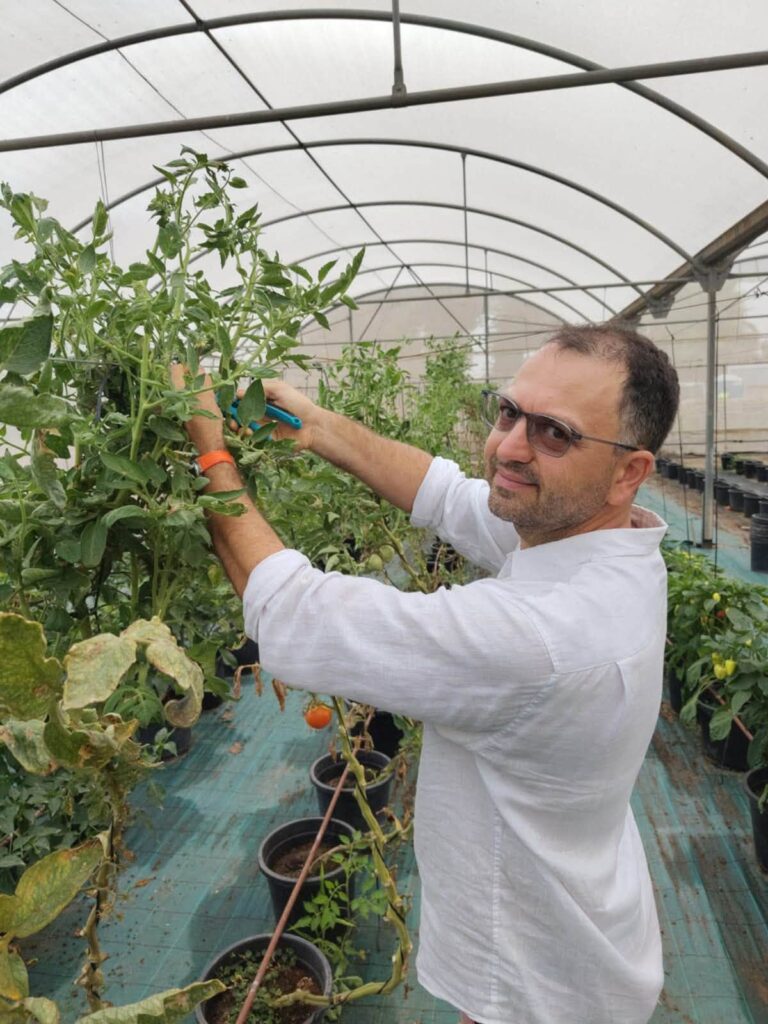
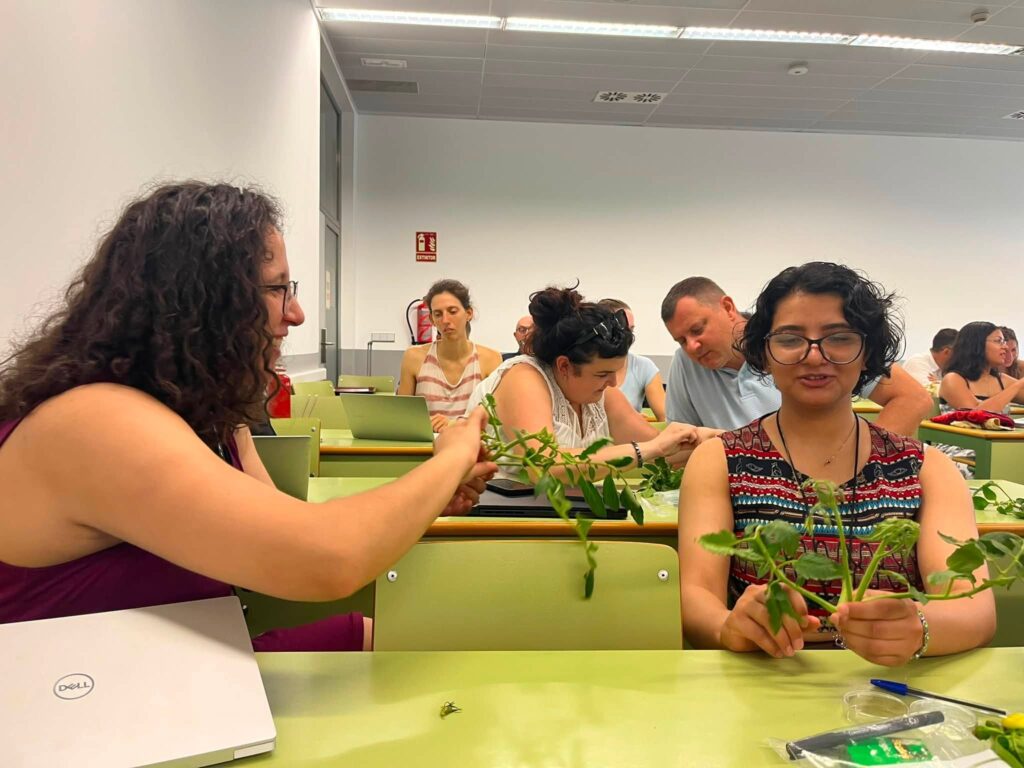
Day 3 began with Practical Activity 3, in which Adrián Rodríguez Burruezo and Ana Fita (UPV) guided participants through the basics of classical breeding, including performing crossings in Solanaceae.
Three parallel sessions followed: entrepreneurship in the organic seed sector with Maria Carrascosa (RMAe) and Ernest Tasias (Les Refardes), seed vigour, quality and longevity with Patricija Gran (WUR), and multi-actor involvement and participatory action research with Francesca Gori (RSR) and Véronique Chable (INRAE).
In the afternoon, participants kicked off their Group Work, dividing into teams to start applying the concepts covered throughout the week to a concrete assignment, with the support of dedicated tutors.
Day 4: A day on the farm
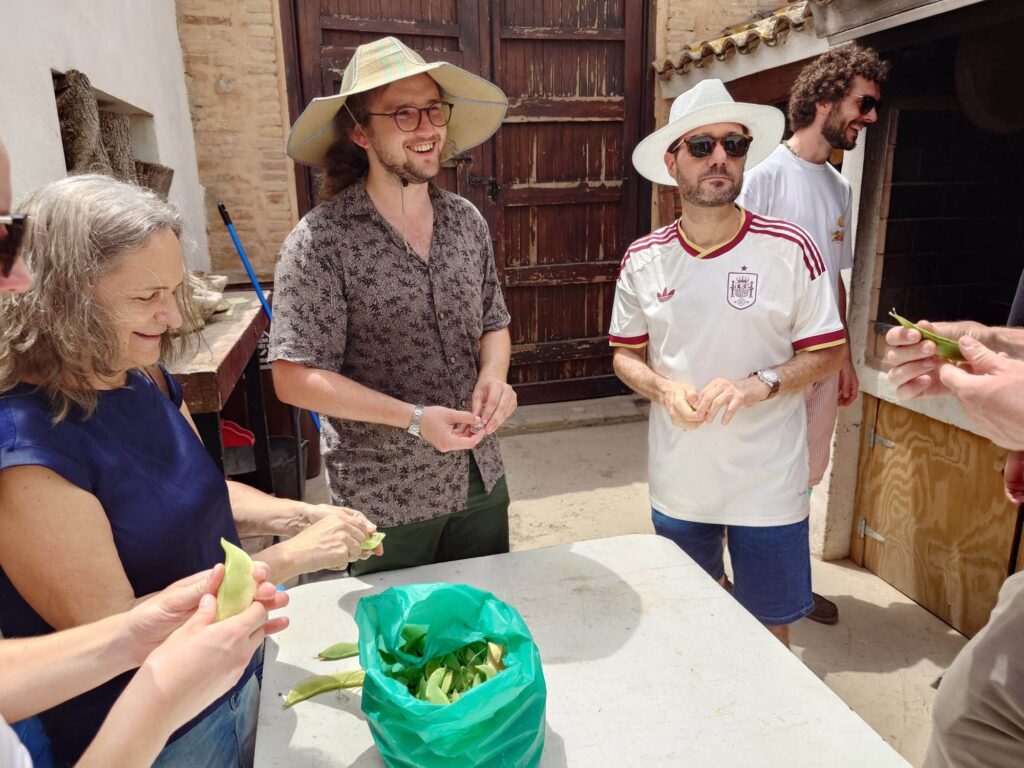
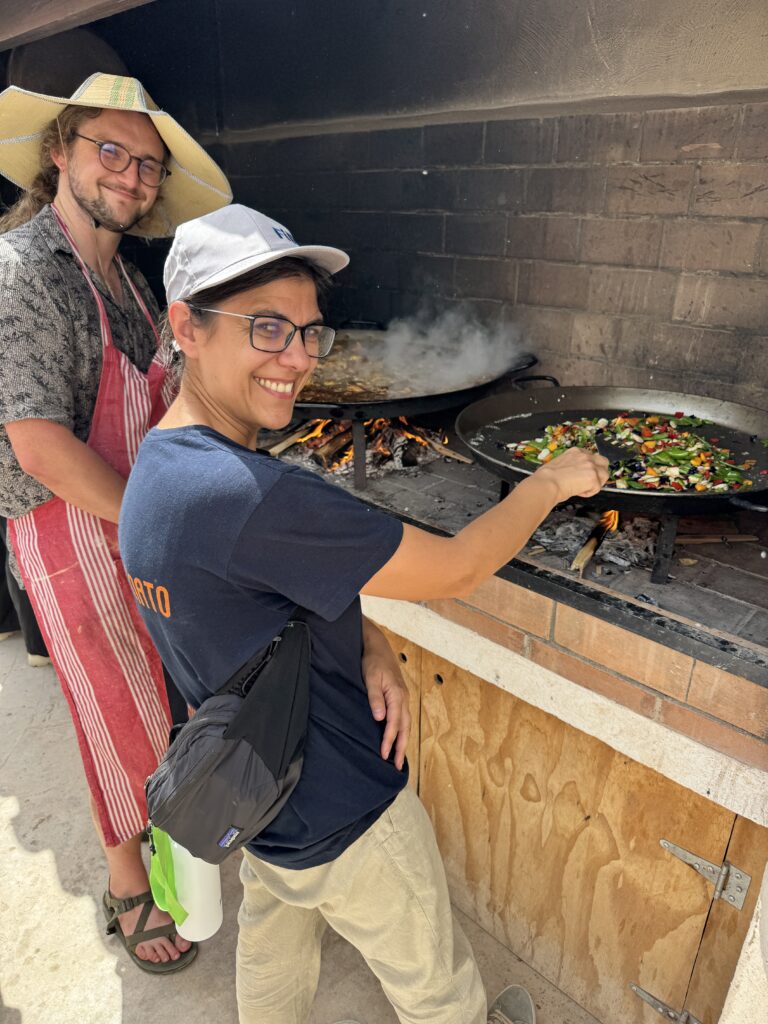
Day 4 moved the Summer School out of the classroom and into the field, with a visit to Hortet La Masieta, a farm in Cases de Bárcena, in the periurban area of Valencia. Owner Pablo Caballero welcomed participants to the farm, where the group took part in a paella contest, cooking together as part of the day’s programme.
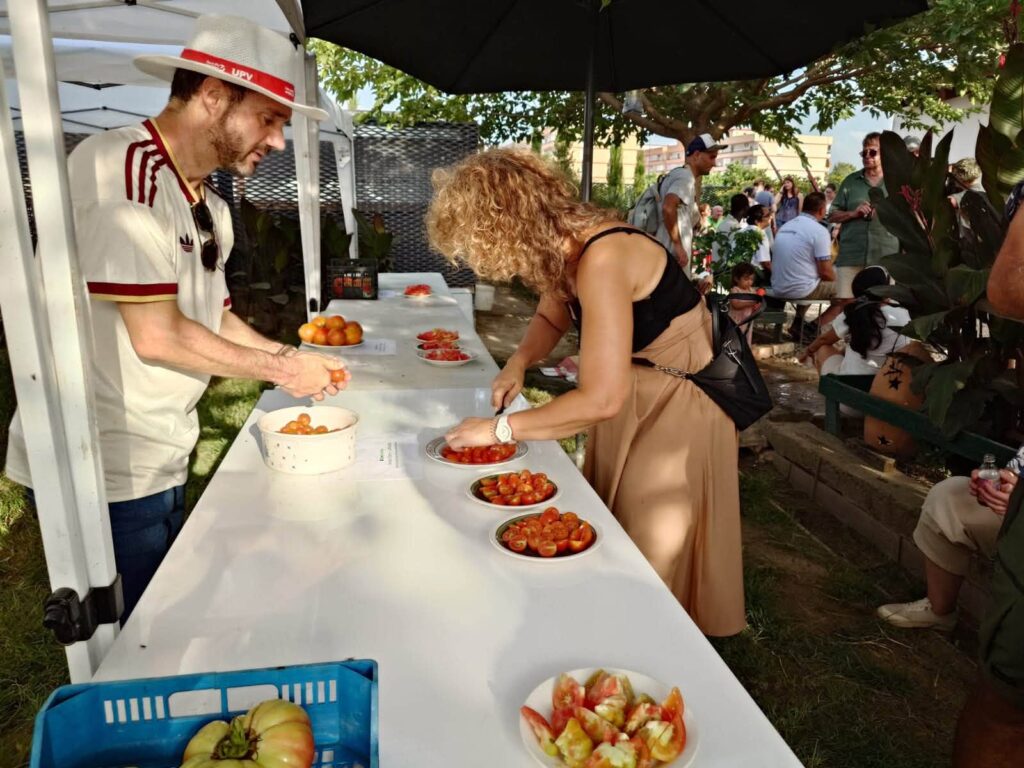
The afternoon continued with a further farm visit alongside Pablo Caballero and Adrián Rodríguez Burruezo, exploring practices on site. The day closed with “Science in the Farm”, a vegetable diversity show that included a tomato tasting session open to local residents from the village, followed by an aperò.
Day 5: Group presentations and closing
The final day opened with a presentation and discussion led by Prof. Pedro Mendes-Moreira (IPC) on participatory plant breeding and how to interact with farmers and value chain actors.
Participants then presented the results of their Group Work, across six topics ranging from designing breeding plans for Organic Heterogeneous Material, to on-farm trial design, seed vigour case studies, and Business Model Canvas development for organic seed enterprises, to planning breeding or innovation programmes within a Living Lab approach.
The Summer School concluded with closing remarks and a final lunch together, bringing to a close a week that combined scientific depth with strong participatory spirit.
You can find all the presentations here.